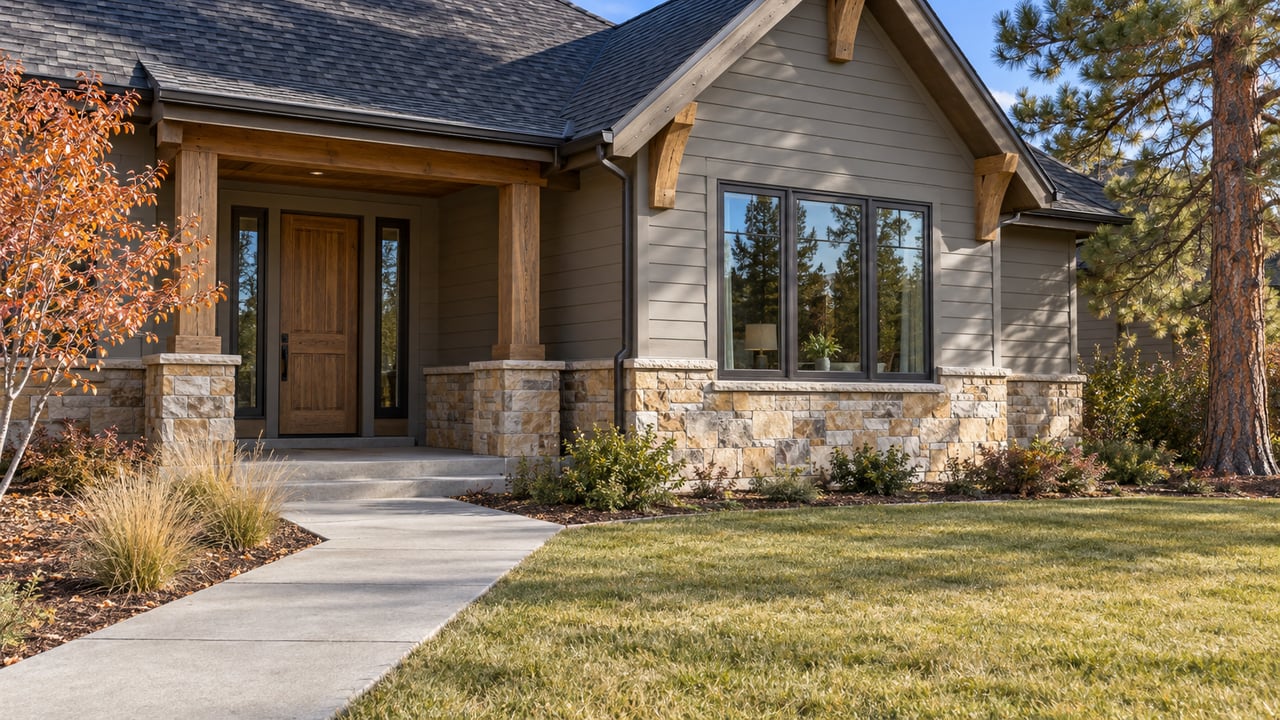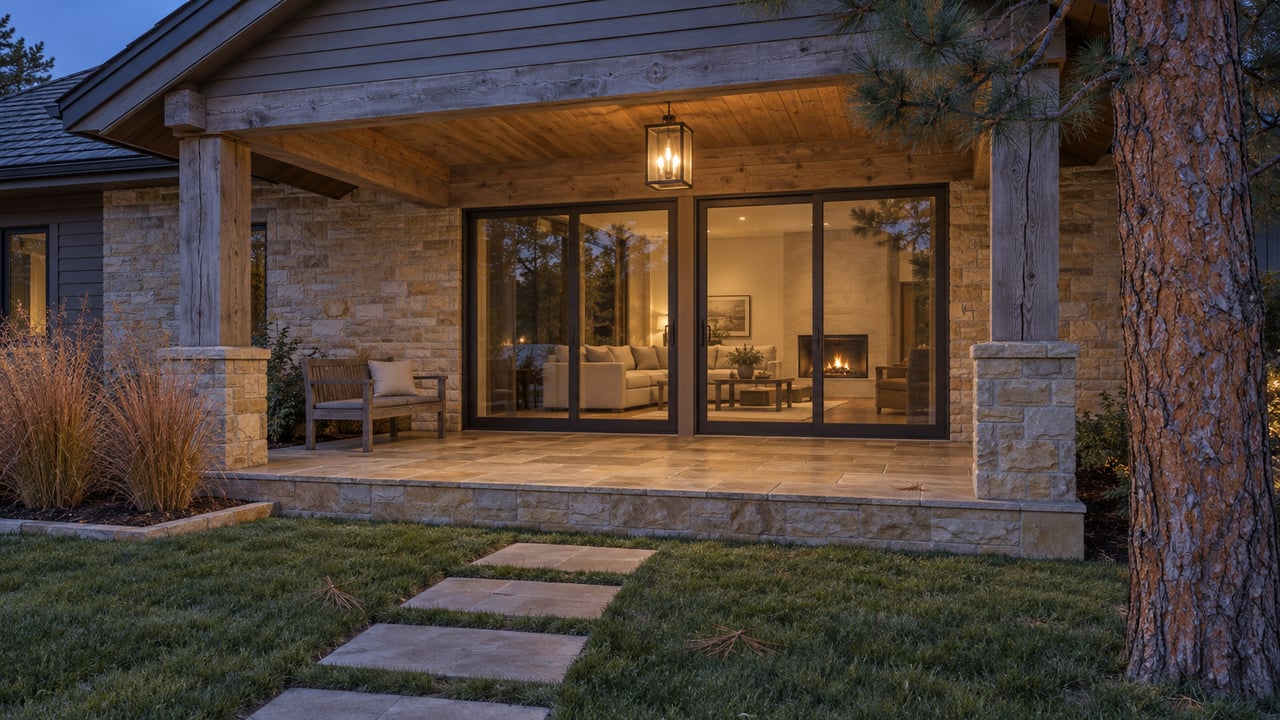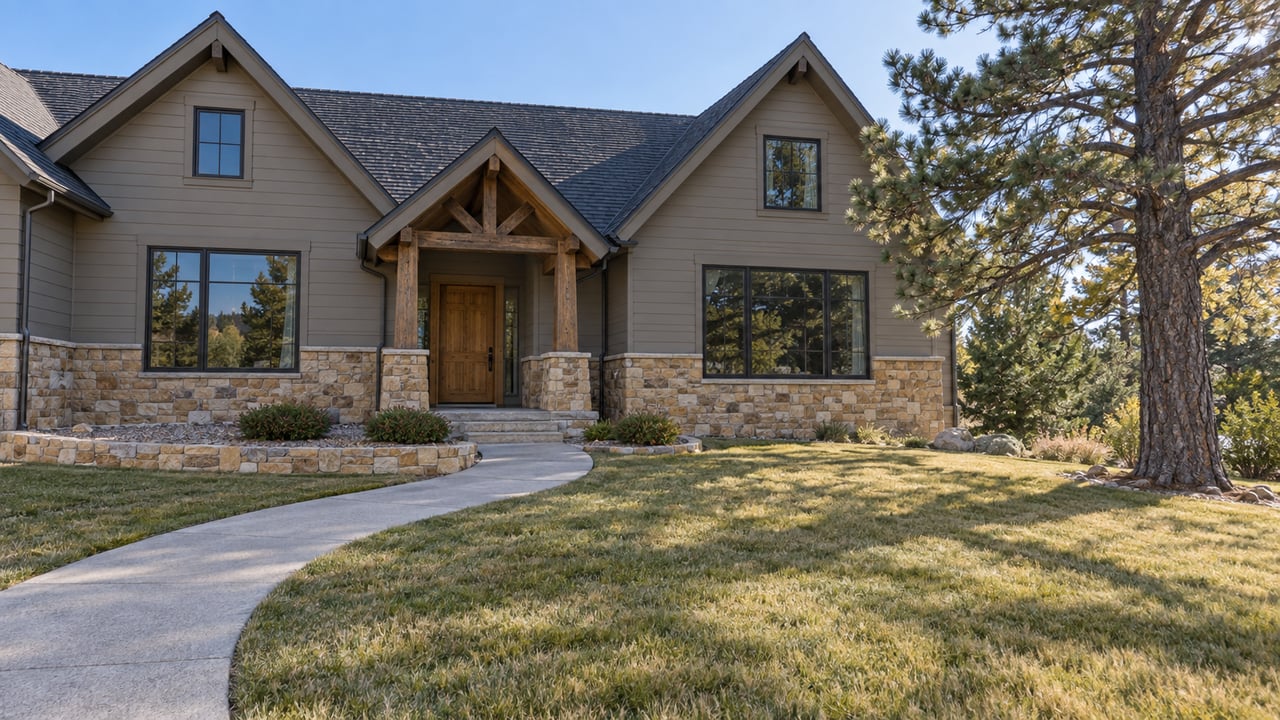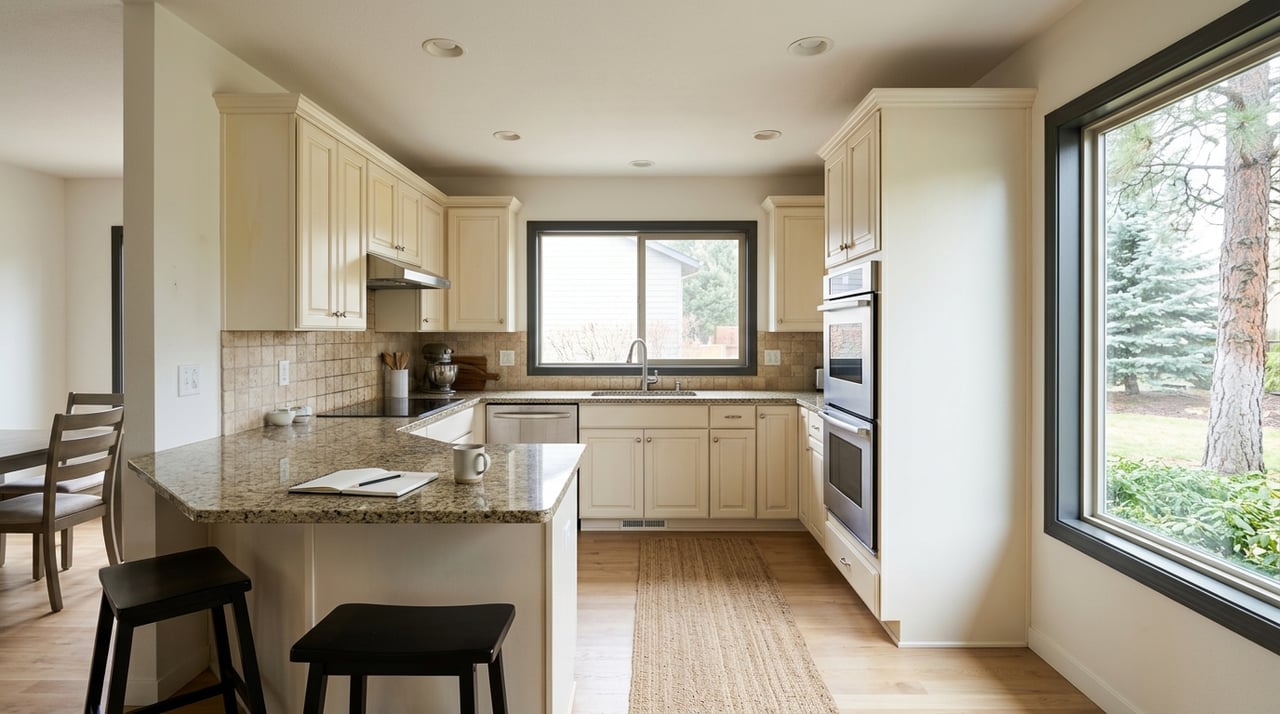
If you’ve ever walked into a Greenwood Village home and thought, “This could be amazing with the right updates,” you’re asking the right question. In a market where homes command premium prices and move quickly, spotting real renovation potential is less about trendy finishes and more about layout, livability, and long-term value. Here’s how to tell whether a home has smart upside, where to focus your attention, and what buyers and sellers should keep in mind before making a move. Let’s dive in.
Why renovation potential matters in Greenwood Village
Greenwood Village is a high-value market, and buyers often need to look past surface-level style to judge whether a home is worth future investment. Redfin reported a median sale price of $1,472,500 in March 2026, with a median of 15 days on market and a 100.6% sale-to-list ratio. In a setting like that, a home does not need to be perfect on day one to attract attention.
That said, buyers are not just chasing square footage. Zillow’s 2024 buyer survey found that 69% of buyers said a floor plan that fit their preferences was very or extremely important, 68% said good potential to increase in value mattered at that same level, and 70% said private outdoor space was very or extremely important. Those numbers help explain why some dated homes still stand out.
In Greenwood Village, the best opportunities often come from homes with solid bones, workable room sizes, and a setting that supports better function over time. The city’s comprehensive planning also emphasizes high residential standards, innovative design, and preservation of its single-family detached character. That makes thoughtful improvements especially relevant here.
Start with layout and flow
The first thing to study is how the home lives right now. A dated kitchen or older flooring can usually be changed, but a confusing floor plan can be much harder and more expensive to fix. In many cases, the strongest renovation candidates already have a decent foundation for daily living.
Look for logical bedroom placement, enough bathrooms for the home’s size and price point, and storage that feels usable instead of squeezed in as an afterthought. If there is underused square footage, ask whether it could become an office, lounge, larger primary suite, or another flexible living area without major structural work.
This matters because buyer preference data keeps pointing back to functionality. Zillow found that while finishes and kitchen style matter, layout and overall value potential rank even higher. In practical terms, that means a home with an older look but a smart floor plan may offer more upside than a freshly updated home with awkward flow.
Signs the layout has strong potential
- Main living areas connect in a way that feels natural
- Bedrooms are placed with reasonable privacy and function
- Bathrooms are sufficient for the home’s likely use
- Storage is present and easy to access
- Unused rooms or bonus areas could serve a clearer purpose
- The floor plan could improve without a full rebuild
Evaluate kitchens and baths carefully
Kitchens and bathrooms still carry major weight in how buyers judge a home. In a premium suburban market, people expect these spaces to feel clean, functional, and well considered. Even when buyers are open to renovations, they usually want to know the space can be improved efficiently.
NAR’s 2025 Remodeling Impact Report noted increased demand for kitchen upgrades, roofing, and bathroom renovations. It also found that 46% of buyers were less willing to compromise on a home’s condition. That does not mean every Greenwood Village home needs a luxury-level remodel, but it does mean these rooms deserve close attention.
The key is to separate cosmetic age from functional limitation. An older kitchen with good proportions, decent workspace, and a better possible connection to the living area may be a strong renovation candidate. A kitchen or bath with a poor footprint, cramped circulation, or hard-to-correct layout issues may require a much larger budget to compete later.
What to notice in kitchens and baths
- Cabinet and counter layout
- Traffic flow around sinks, appliances, and entries
- Space for storage and everyday use
- Whether finishes are dated or the layout itself is the problem
- Whether updates could be selective instead of fully custom
Pay attention to light and livability
Natural light can change how a home feels almost instantly. It affects whether rooms seem larger, fresher, and more comfortable, even before any renovation work begins. Redfin’s 2026 design guidance highlights natural light and a simple, efficient layout as important long-term value features.
That makes lighting one of the clearest clues when you are judging a home’s upside. A house with good orientation, larger windows, or the ability to open connections between the kitchen and living areas may offer stronger potential than a home that looks updated but still feels dim or boxed in.
NAR’s 2024 sustainability report also pointed to windows, doors, and siding as the most important home feature category for agents, followed by comfortable living space and operating costs. In older homes, that can make existing windows, room placement, and awkward additions especially important to assess.
Renovation clues tied to light
- Dark rooms in key daily-use areas
- Older windows that may need updating
- Additions that block natural flow or daylight
- Main spaces that feel closed off from each other
- Outdoor areas that could connect better to indoor living
Look behind the finishes
Some homes look manageable until you start thinking about what is behind the walls. Renovation potential is never just about style. It also depends on systems, code requirements, and the work needed to bring older components up to current standards.
In Greenwood Village, permits are generally required for alterations, repairs, interior remodels, electrical work, plumbing work, window replacement, water heater replacement, decks, and roof work. The city notes that standalone paint, floor coverings, and kitchen cabinet installation are typically treated as finish work and do not usually require a building permit unless plumbing fixtures are being reinstalled.
The city also notes that HOA or ACC approvals may apply when relevant, and asbestos-related approvals may be required in some situations. Greenwood Village is operating under the 2018 IRC, IECC, and related codes, along with the 2023 NEC for electrical reviews. For single-family additions, the city lists a 15-business-day plan review timeframe.
That means an older home may need more than surface updates, even if the visible finishes seem straightforward. Before you assume a project is simple, it helps to understand whether you are looking at a cosmetic refresh or a deeper improvement plan.
Think in terms of practical ROI
In higher-end markets, it can be tempting to assume that bigger remodels always bring bigger returns. The data suggests otherwise. For Greenwood Village, Denver metro Cost vs Value numbers are the best directional guide available, and they favor practical, broadly appealing updates over highly customized luxury overhauls.
In the 2024 Denver Cost vs Value Report, a minor kitchen remodel recouped 82.4% of cost, a midrange bath remodel recouped 74.4%, and vinyl window replacement recouped 67.1%. By comparison, a major kitchen remodel recouped 39.6%, an upscale bath remodel 37.5%, and an upscale major kitchen remodel 29.9%.
Some exterior projects performed even better. The same report showed garage door replacement at 215.8%, steel entry door replacement at 172.4%, and manufactured stone veneer at 111.8%. While every property is different, the pattern is clear: improvements with broad appeal and visible utility often outperform expensive personalization.
What buyers should watch for
If you are buying in Greenwood Village, try to focus on the home’s long-term function instead of reacting only to décor. A property with strong structure, decent light, and workable flow may offer more value than one with fresh finishes but limited flexibility. In a fast-moving market, that kind of distinction can help you see opportunities other buyers miss.
A promising candidate often has room to improve daily living without becoming a full custom rebuild. That could mean opening up key gathering areas, refreshing kitchens and baths, improving windows, or making better use of underused space. The goal is not just to spend money, but to create a home that lives better and still appeals broadly over time.
What sellers should improve first
If you are selling, renovation potential matters in a different way. You want buyers to see possibility without getting distracted by obvious maintenance or avoidable cosmetic issues. In many cases, the safest pre-listing updates are the ones that improve first impressions and everyday function.
Based on the available research, practical improvements often make the most sense. Paint, selective kitchen and bath refreshes, visible exterior repairs, and a clean roofline can help your home feel better cared for without over-improving. In a market like Greenwood Village, that balance matters.
A thoughtful strategy can also help buyers understand what is cosmetic, what is functional, and where future upside may exist. That is especially important when you are selling a home that may be dated but still has strong layout, lot, or livability advantages.
A smart way to judge renovation potential
The best renovation candidates in Greenwood Village are not always the most dramatic before-and-after stories. Often, they are the homes where the fundamentals already make sense: solid flow, decent light, useful space, and improvements that can add comfort and value without unnecessary complexity.
When you know what to look for, you can make more confident decisions whether you are buying a home with upside or preparing one for the market. In a premium market, that kind of clarity can help you protect your budget and make smarter choices about where renovation dollars really belong.
If you want expert guidance on evaluating layout, livability, and upgrade potential in Greenwood Village or nearby Denver-area communities, Lynn Marie Baxter can help you make a clear, confident plan.
FAQs
What should buyers look for in a Greenwood Village home with renovation potential?
- Focus on layout, natural light, bathroom count, storage, and whether the home can be improved without major structural changes.
Are kitchen and bathroom updates worth it in Greenwood Village?
- Often, yes. Buyer demand remains strong for kitchen and bath improvements, but smaller, practical updates may offer better return than highly customized luxury remodels.
Do Greenwood Village remodels usually require permits?
- Yes, many do. Greenwood Village generally requires permits for alterations, repairs, interior remodels, electrical and plumbing work, window replacement, water heater replacement, decks, and roof work.
Which remodels tend to have better resale value near Greenwood Village?
- Denver-area Cost vs Value data suggests minor kitchen remodels, midrange bath remodels, window replacement, and some exterior upgrades can outperform larger upscale interior projects.
Should sellers renovate before listing a Greenwood Village home?
- In many cases, selective updates make sense. Paint, visible repairs, and practical kitchen or bath refreshes can help buyers focus on the home’s strengths without over-investing before sale.